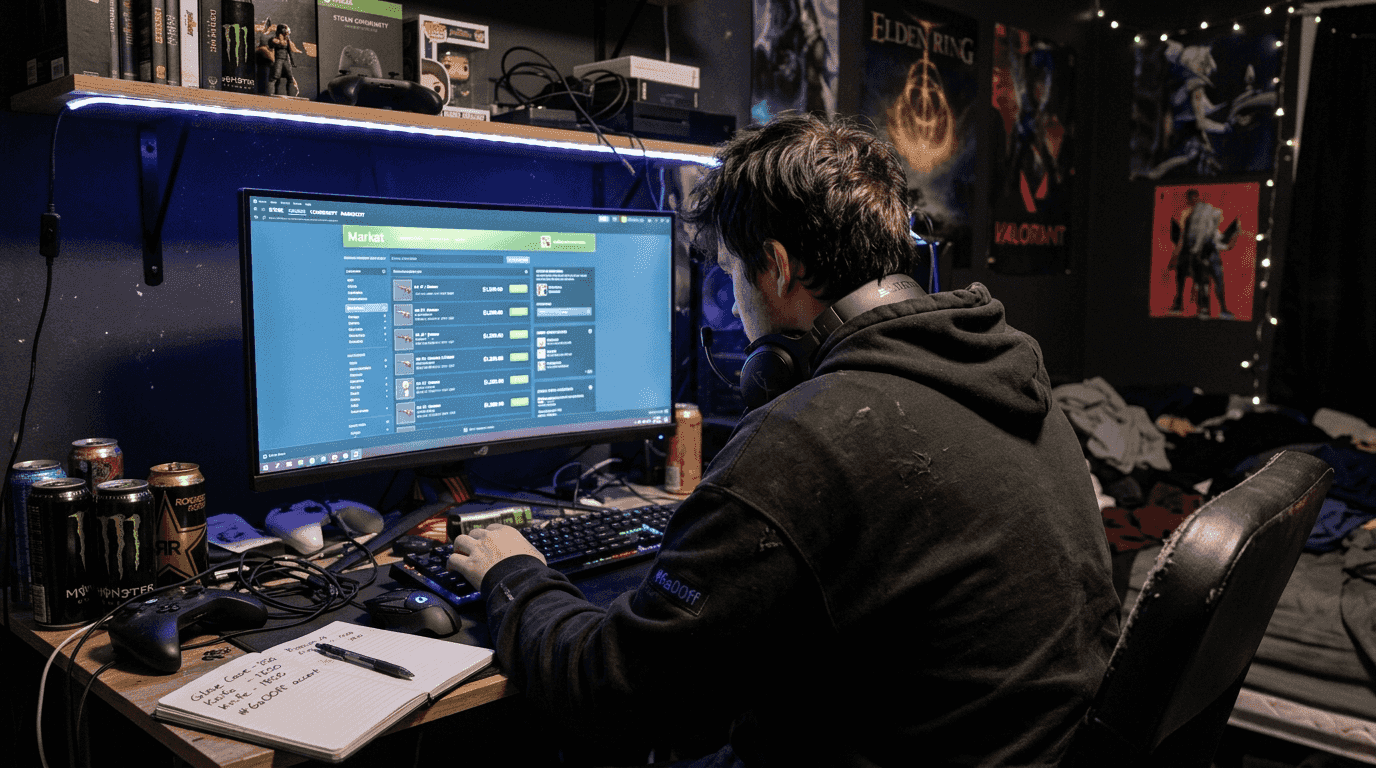
You might think a skin is just a cosmetic layer, but in 2026 gaming culture, skins represent technical complexity, market volatility, and serious investment potential. Their value shifts based on game engine updates, unique code properties, and speculative trading. Some skins skyrocket in price after visual overhauls, while others fade into obscurity. This guide unpacks the technical and market forces that determine skin worth, then shows you how to buy smart without overpaying. Whether you chase rare patterns or just want affordable cosmetics, understanding what drives skin value helps you make informed decisions.
Table of Contents
- How Game Engines Shape The Value And Appearance Of Skins
- Understanding The Unique Code Factors Behind Skin Value
- Market Volatility And Its Influence On Skin Prices
- How To Find Affordable Skins With Quick Access And Competitive Pricing In 2026
- Why Choose SkinsMaster For Your Gaming Needs
- Frequently Asked Questions
Key takeaways
| Point | Details |
|---|---|
| Engine upgrades change skin appeal | New rendering tech like PBR can make previously dull skins vibrant and sought after |
| Code factors create rarity | Float values and pattern seeds give each skin unique properties that affect price |
| Market volatility creates opportunity | Game updates and community trends cause price swings you can anticipate |
| Affordable options exist | Trusted marketplaces offer competitive pricing and quick delivery for budget buyers |
| Smart buying requires research | Checking seller ratings, float databases, and patch notes maximizes value |
How game engines shape the value and appearance of skins
Game engine transitions fundamentally alter how skins look and feel in play. When Counter-Strike 2 replaced Global Offensive, the shift to physically based rendering changed skin values dramatically. PBR introduced realistic lighting, reflections, and material depth that transformed previously underwhelming skins into visual standouts. A skin that looked flat and lifeless under the old engine might now gleam with metallic sheen or display intricate pattern details invisible before.
This visual upgrade doesn't affect all skins equally. Some designs were built with future rendering in mind, featuring layered textures and complex patterns that only shine under advanced lighting. Others relied on simple color blocks that gain little from PBR enhancements. The market reacts fast to these revelations. Players flood forums sharing before and after screenshots, and prices adjust within days as collectors realize which skins benefited most.
Consider these factors when evaluating engine impact on skin value:
- Reflective surfaces and metallic finishes gain the most visual improvement under PBR
- Intricate patterns become more visible with better lighting and shadow rendering
- Matte or simple designs see minimal enhancement and may lose relative appeal
- Community perception shifts quickly once streamers showcase upgraded skins
The table below illustrates how specific skin categories responded to the CS2 engine upgrade:
| Skin Category | Pre-PBR Appeal | Post-PBR Appeal | Price Change |
|---|---|---|---|
| Metallic finishes | Moderate | High | +35% average |
| Complex patterns | Low to moderate | High | +40% average |
| Simple solid colors | Moderate | Low to moderate | -10% average |
| Holographic effects | High | Very high | +50% average |
Pro Tip: Track official announcements about engine updates and test new builds early to identify skins likely to gain value before the broader market catches on. You can explore affordable skin marketplaces to compare how different skins perform across engine versions.
Understanding the unique code factors behind skin value
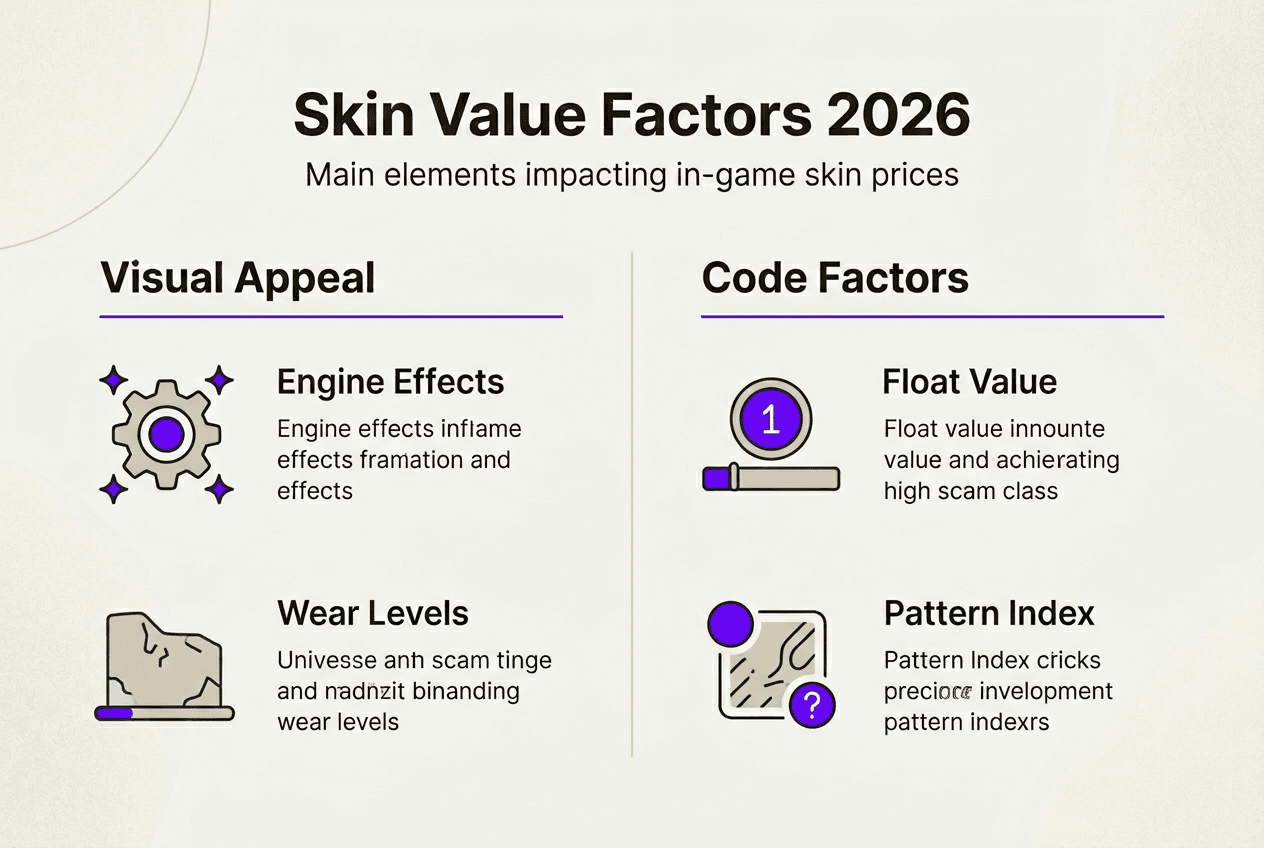
Beyond visual appeal, each skin exists as a unique instance in game code with properties that determine rarity and desirability. The most critical factors are float values and pattern seeds. Float values range from 0.00 to 1.00 and dictate wear level, affecting how scratched or pristine a skin appears. A lower float means less wear and typically commands higher prices, but the relationship isn't linear. Certain float ranges produce visually cleaner results than others, creating sweet spots collectors hunt.
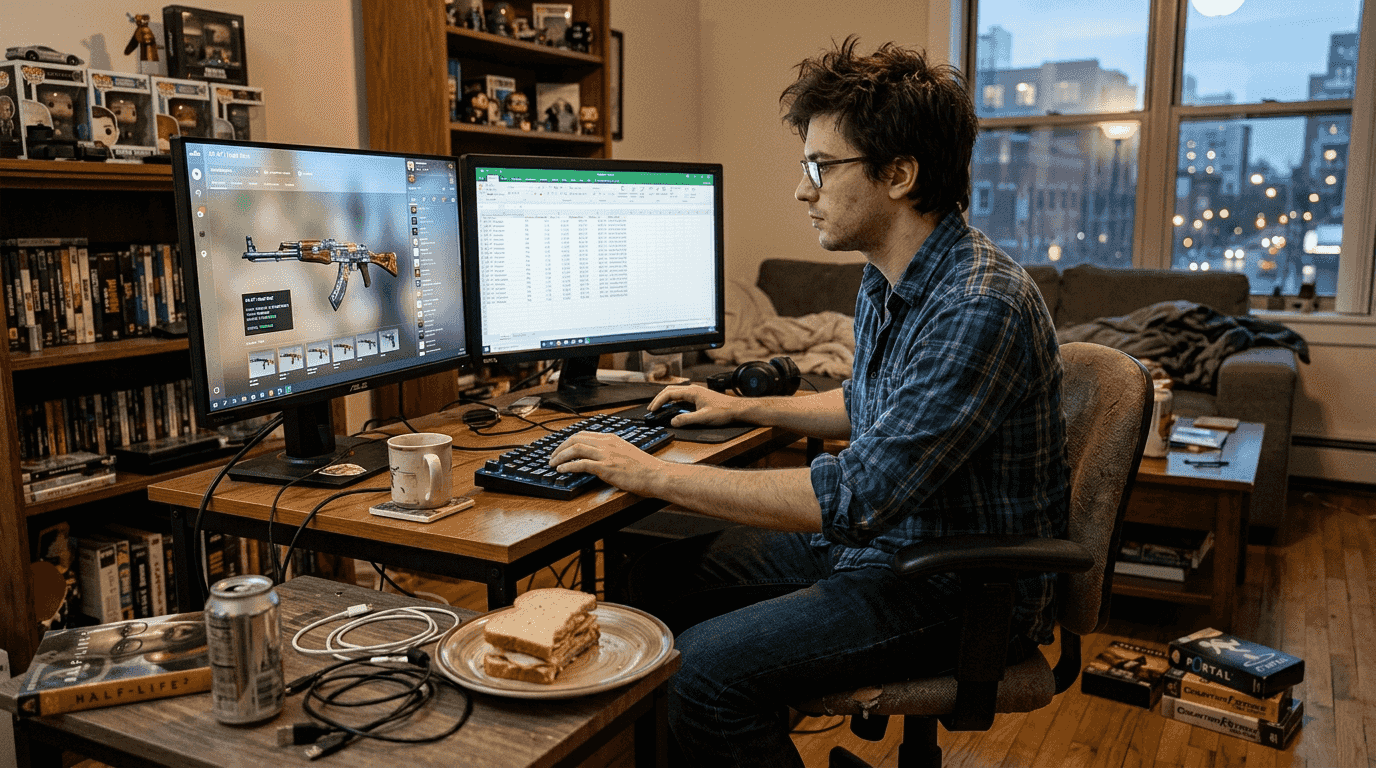
Pattern seeds generate the specific visual layout of a skin's design. Even identical skin models can look completely different based on seed. A popular example involves skins with gradient patterns where certain seeds place desirable colors in prominent weapon areas while others hide them. The unique instance within game code creates scarcity beyond official rarity tiers. Two factory new versions of the same skin might differ by hundreds of dollars if one has a coveted pattern seed.
Follow these steps to leverage code factors when buying skins:
- Check float value using community databases before purchasing any skin to verify actual wear versus listed condition
- Research which pattern seeds are most desirable for your target skin by browsing collector forums and marketplaces
- Compare asking prices against float and seed data to identify undervalued listings
- Verify skin authenticity by cross-referencing code properties with official inspection tools
- Prioritize low float values in the 0.00 to 0.07 range for maximum visual quality and resale potential
Float value thresholds create distinct market segments. Factory new spans 0.00 to 0.07, but a 0.00X float often sells for double a 0.06 float despite both being factory new. Minimal wear covers 0.07 to 0.15, field tested 0.15 to 0.38, well worn 0.38 to 0.45, and battle scarred 0.45 to 1.00. Smart buyers focus on the low end of each range to get the best visual quality for their budget tier.
Pro Tip: Use float value databases to filter listings by exact float ranges and pattern indexes, then sort by price to find gaming skin details and values that offer premium qualities at below-market rates.
Market volatility and its influence on skin prices
Skin markets experience constant flux driven by game updates, meta shifts, and speculative trading. A single patch can render certain weapon types less viable in competitive play, tanking demand for associated skins overnight. Conversely, buffs to underused weapons create sudden buying frenzies as players rush to equip newly meta loadouts with stylish cosmetics. The market volatility influenced by updates means prices rarely stay stable for long.
Speculation amplifies these natural fluctuations. Traders monitor patch notes, professional tournament picks, and developer roadmaps to predict which skins will surge. When rumors spread about upcoming engine improvements or new skin case retirements, speculators buy aggressively hoping to flip for profit. This behavior creates bubbles that eventually burst, leaving latecomers holding overpriced assets.
Key factors driving market volatility include:
- Major game patches that rebalance weapons or introduce new mechanics
- Announcements about skin case discontinuations that create artificial scarcity
- Professional player endorsements and tournament usage showcasing specific skins
- Engine updates that change visual rendering and skin appearance
- Seasonal events and limited time promotions affecting supply
The comparison table shows how prices shifted around a major 2026 update:
| Event | Skin Example | Pre-Update Price | Post-Update Price | Percentage Change |
|---|---|---|---|---|
| Weapon buff patch | Rifle skin A | $45 | $78 | +73% |
| Engine visual upgrade | Metallic skin B | $120 | $210 | +75% |
| Case retirement | Rare knife C | $890 | $1,340 | +51% |
| Meta shift nerf | Pistol skin D | $62 | $38 | -39% |
Timing purchases around these cycles requires monitoring multiple information sources. Developer blogs reveal upcoming balance changes weeks in advance. Community test servers let players preview visual updates before official release. Trading forums buzz with speculation that often proves accurate. By staying informed, you position yourself to buy during post-announcement dips and sell into hype-driven peaks.
Pro Tip: Subscribe to official patch note feeds and join active trading communities to catch advance signals of market-moving events, then check skin market price trends to validate your timing before committing to large purchases.
How to find affordable skins with quick access and competitive pricing in 2026
Securing quality skins without overpaying demands strategic shopping and platform awareness. The landscape includes official stores, peer-to-peer marketplaces, and specialized vendors offering varying price points and delivery speeds. Affordable skin markets provide budget-conscious gamers with alternatives to premium retail pricing, often delivering 20% or greater savings through competitive vendor ecosystems.
Start by identifying reputable platforms with strong buyer protections and transparent seller ratings. Scams proliferate in skin trading, so verification matters. Look for marketplaces that escrow transactions, offer dispute resolution, and maintain verified seller programs. Read recent reviews focusing on delivery speed and item authenticity. A vendor with thousands of positive ratings and fast response times beats unknown sellers offering slightly lower prices.
Follow this process to find and purchase affordable skins safely:
- Define your budget and target skins, noting acceptable float ranges and pattern preferences
- Compare prices across three to five reputable marketplaces to establish fair market value
- Filter sellers by rating threshold, choosing only those with 95%+ positive feedback and substantial transaction history
- Verify current game engine compatibility to ensure the skin displays as expected in 2026 builds
- Check for seasonal promotions, bundle deals, or first-time buyer discounts that reduce effective cost
- Inspect float values and pattern seeds using community tools before finalizing any purchase
- Complete transactions through platform escrow systems rather than direct transfers to maintain buyer protection
- Confirm delivery within promised timeframes and inspect items immediately upon receipt
Seasonal events present prime buying opportunities. Major gaming holidays, anniversary sales, and end-of-season clearances push vendors to discount inventory. Patience pays off if you can wait for these windows. Bundle deals that package multiple skins or combine skins with in-game currency offer better per-item value than single purchases.
Engine compatibility checking prevents disappointment. Some older skins designed for legacy rendering may look worse under current engines, while others shine. Preview tools and community screenshots help you verify appearance before buying. Don't assume a skin will look identical to how it appeared in videos from previous years.
Pro Tip: Set price alerts on your target skins across multiple platforms to catch temporary dips below your buy threshold, and always verify seller legitimacy through platform verification badges and recent transaction feedback before sending payment.
Why choose SkinsMaster for your gaming needs
Now that you understand skin valuation and smart buying strategies, finding a reliable source matters. SkinsMaster specializes in affordable gaming currencies and skins, offering up to 20% savings compared to official stores. The platform delivers instant access to popular items like CS2 skins, Valorant points, V-Bucks, and Robux through automated systems that process orders 24/7.
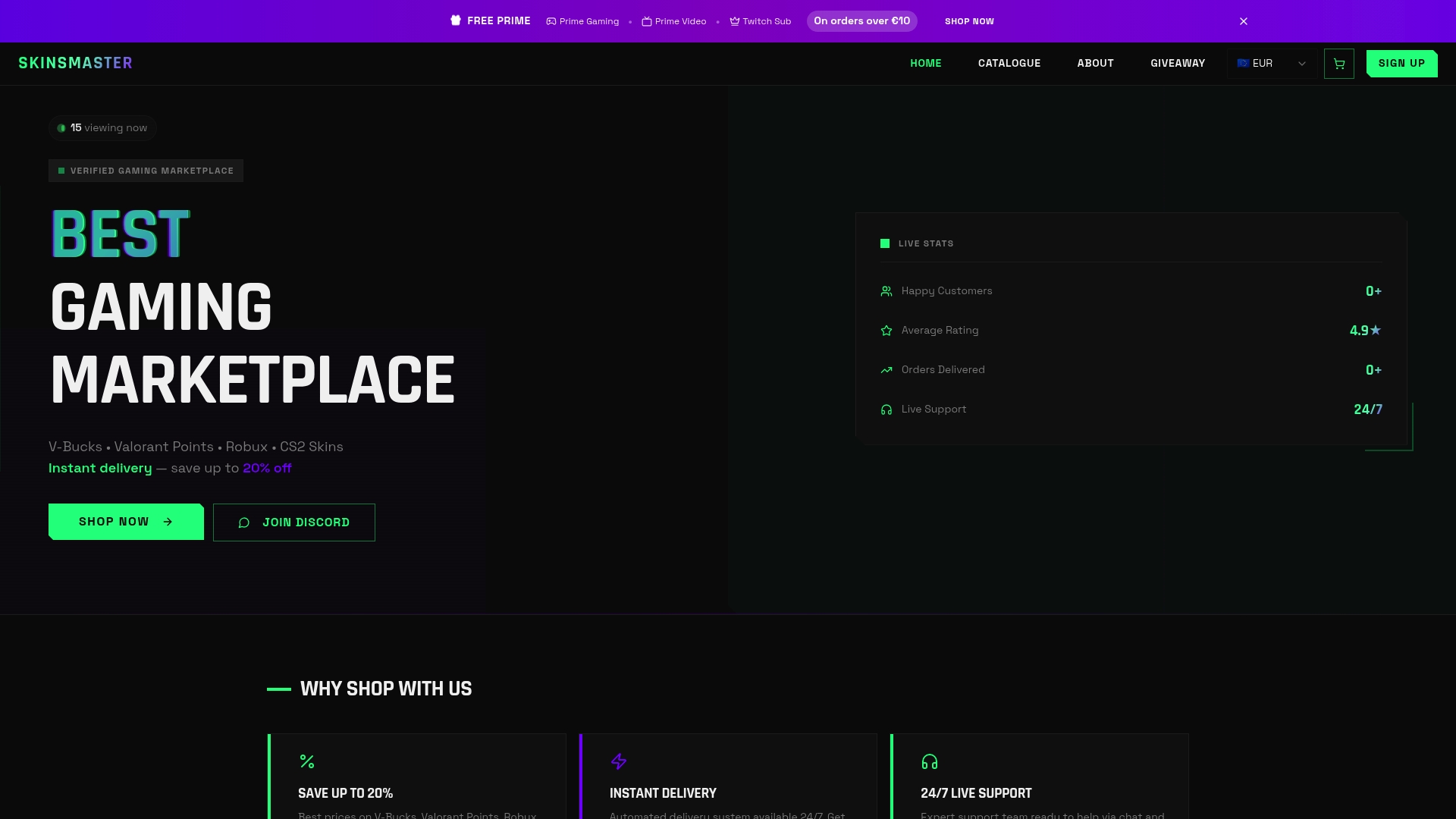
You get competitive pricing backed by secure payment options including crypto and credit cards. The marketplace serves casual and dedicated gamers who prioritize value without sacrificing quality or delivery speed. With extensive positive reviews and round-the-clock customer support, SkinsMaster provides a trusted alternative to premium-priced official channels. Explore cheap gaming currencies & skins to enhance your 2026 gaming experience without breaking your budget.
Frequently asked questions
What are the most important factors that determine a skin's value?
Float values, pattern seeds, and game engine rendering capabilities drive core value. Lower float values show less wear and command premium prices, while rare pattern seeds create visual uniqueness that collectors seek. Engine updates can dramatically increase or decrease appeal by changing how skins display in-game.
How does market volatility affect skin prices in 2026?
Game patches, weapon balance changes, and engine updates cause rapid price fluctuations. Speculation around upcoming changes amplifies volatility as traders buy early hoping to profit from anticipated demand shifts. Monitoring developer announcements and community trends helps you anticipate these movements.
Where can I find affordable skins with reliable delivery?
Trusted marketplaces like SkinsMaster offer competitive pricing and quick access to popular gaming skins and currencies. Compare prices across multiple platforms, verify seller ratings exceed 95% positive, and use escrow systems to protect your purchases. Seasonal sales and bundle deals provide additional savings opportunities.
How do I verify a skin's authenticity before buying?
Use community float databases and pattern index tools to cross-reference listed properties with actual item data. Inspect skins through official game preview systems when available, and only purchase from verified sellers on established platforms. Avoid direct trades with unverified individuals to minimize scam risk.
Do different games handle skin value similarly?
Core principles like rarity, visual appeal, and market demand apply across games, but implementation varies. Some games use float systems while others employ tier-based rarity. Engine quality, trading restrictions, and community size all influence how skin markets develop. Research game-specific factors before investing significantly in any title's cosmetics.